SpaceX Successfully Launches Space Force’s X-37B on Eighth Mysterious Mission
SpaceX Successfully Launches Space Force’s X-37B on Eighth Mysterious Mission
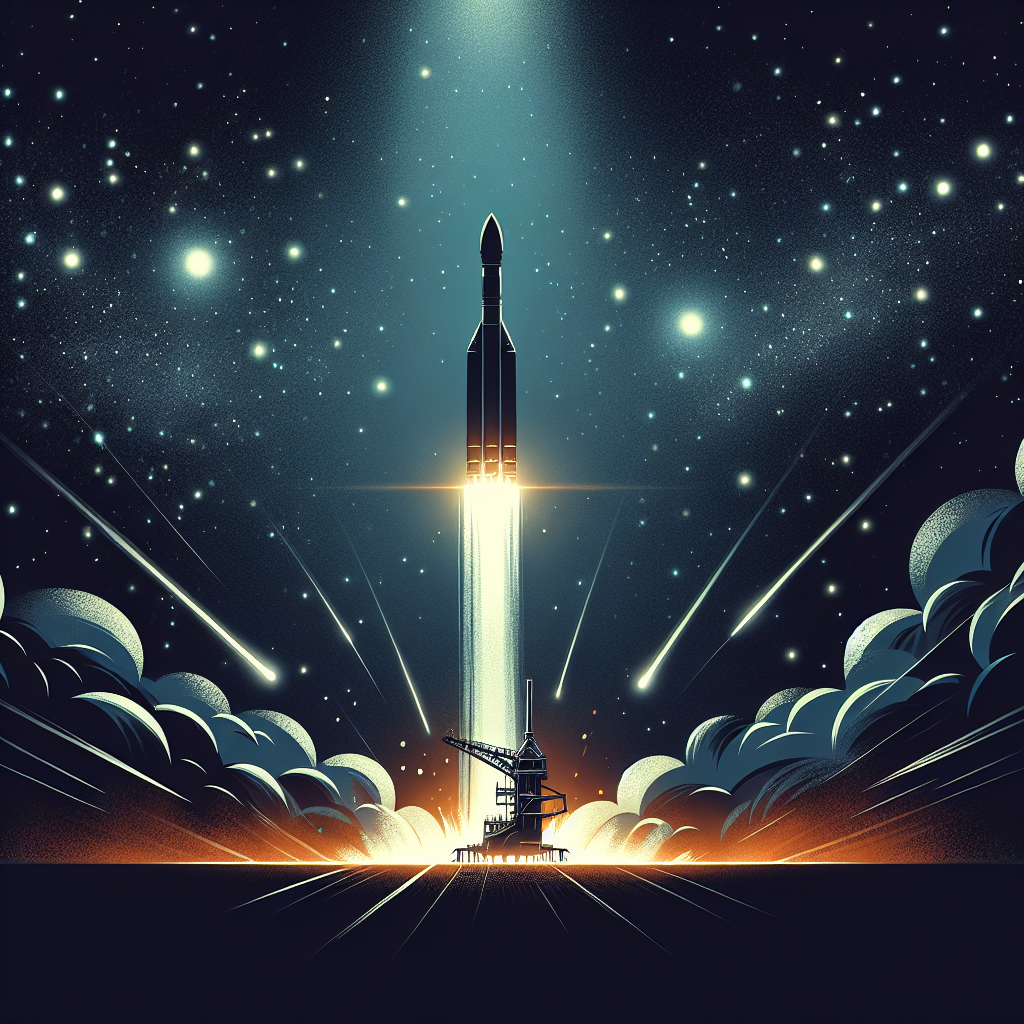
In a remarkable demonstration of technological prowess and collaboration between private industry and government, SpaceX has successfully launched the United States Space Force’s X-37B spaceplane on its eighth mission. The launch took place from Cape Canaveral, Florida, marking another milestone in the ongoing exploration and utilization of space.
The X-37B: A Unique Orbital Laboratory
The X-37B is an unmanned reusable spacecraft developed by Boeing for the U.S. Air Force. Its primary purpose is to conduct experiments in low Earth orbit while providing valuable data that can enhance future space missions. Unlike traditional satellites, the X-37B can land autonomously after completing its objectives, allowing for a more versatile approach to scientific research and technology testing.
This latest mission continues to build upon previous flights that have garnered attention not only for their innovative capabilities but also for their secretive nature. Each mission has been shrouded in mystery, with little information released about specific objectives or experiments being conducted aboard the spacecraft.
A Milestone for SpaceX
For SpaceX, this launch represents yet another successful partnership with governmental agencies. The Falcon 9 rocket used for this mission lifted off flawlessly, showcasing SpaceX’s reliability as a commercial launch provider. This achievement underscores Elon Musk’s vision of making space travel more accessible and efficient through reusable rocket technology.
The successful deployment of the X-37B adds to an impressive track record for both SpaceX and the U.S. military in leveraging advanced technologies to push boundaries in aerospace exploration.
What Lies Ahead?
While details regarding this particular mission remain classified—consistent with past launches—the potential implications are vast. Analysts speculate that ongoing tests could involve new materials designed to withstand extreme conditions or advanced propulsion systems that may play a role in future manned missions beyond Earth’s atmosphere.
Moreover, some experts suggest that these missions could be crucial for national security purposes, providing insights into how various technologies perform under different orbital environments while also ensuring readiness against emerging threats in space.
As we look forward to further developments from this enigmatic program, it remains clear that each flight contributes invaluable knowledge towards understanding our universe better—and perhaps preparing humanity for even greater endeavors beyond our planet.
In conclusion, as SpaceX continues to break barriers with its ambitious goals and innovative solutions alongside entities like the U.S. Space Force, we stand at an exciting juncture where science fiction increasingly becomes reality—a testament not only to human ingenuity but also collaboration across sectors dedicated to exploring what lies beyond our world.











Publicar comentário